Resident Evil (2026) Movie Review - Itchy, Tasty

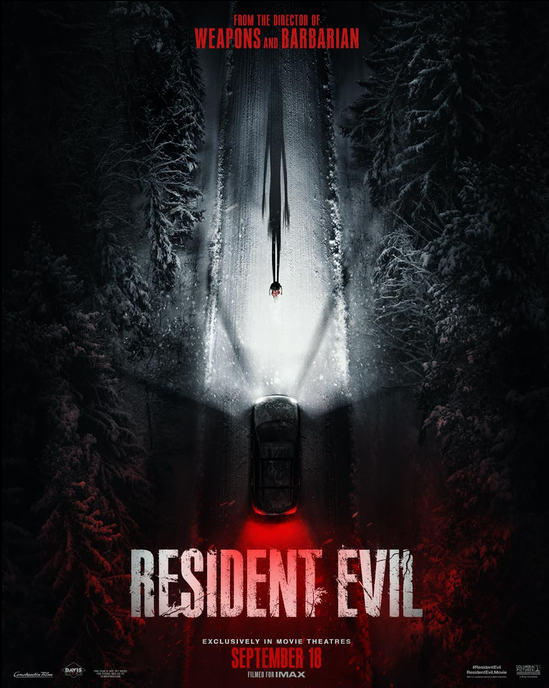
Resident Evil, the latest film directed by Zach Cregger and produced by Columbia Pictures and Constantin Films, is the best videogame movie adaptation released this year, completely eclipsing all prior adaptations.
This is thanks in part to the film blending videogame elements into cinematic language, an influence that has been creeping into mainstream cinema for a while.
Sam Mendes' WW1 action-thriller 1917 is contained to a single long shot, emulating a modern action game's third-person camera. Indie filmmaker Mike Cheslik's slapstick comedy, Hundreds of Beavers, uses the videogame shorthand of a world map and the core gameplay loop of a survival sim to convey to the audience its protagonists' slow rise from the bottom of the absurd food chain. The 2023 action spectacle that is Chad Stahelski's John Wick Chapter 4 features a devastating gun battle with the camera panning up into a top-down perspective, emulating the fast-paced brutality of Hotline Miami.
That influence carries on into Cregger's film, making for an atmospheric, tension-filled delight of a movie.
A second major component to this new Resident Evil movie's success is on what elements of the franchise it chooses to adapt. Capcom's seminal series helped codify Survival Horror, a genre that emphasizes player disempowerment, resource management, and navigating increasingly hostile and complex environments.
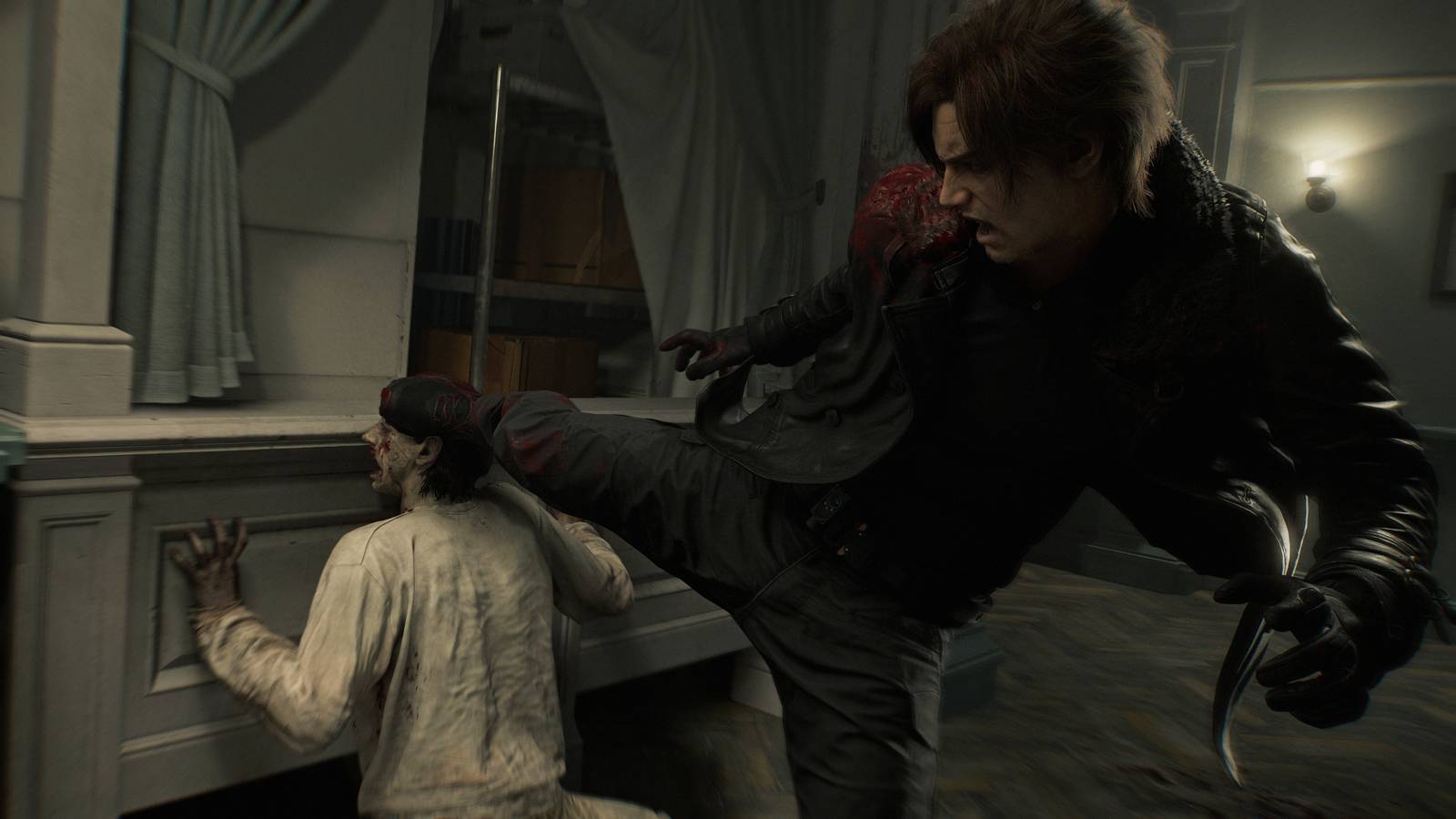
It is also a thirty-year old franchise with its own convoluted worldbuilding full of special forces organizations, secret societies, evil pharmaceutical companies, recurring characters, and increasingly obtuse mythology. While entertaining to play through as a series of games, adapting all of that material into a single movie would lead to an absolutely dreary slog. Thankfully, the godawful 2021 movie, Resident Evil: Welcome to Raccoon City exists for those that want just that.
Instead, Cregger's movie goes deeper. Rather than directly adhere to lore and canon, bringing back familiar characters or directly adapting the plot of the games, he aims to bring the qualia, the specific experience of Resident Evil into this movie while telling an original narrative within the horror franchise.
In other words, this movie works not because it adapts the plot of Resident Evil, but because it adapts how it feels to play Resident Evil.
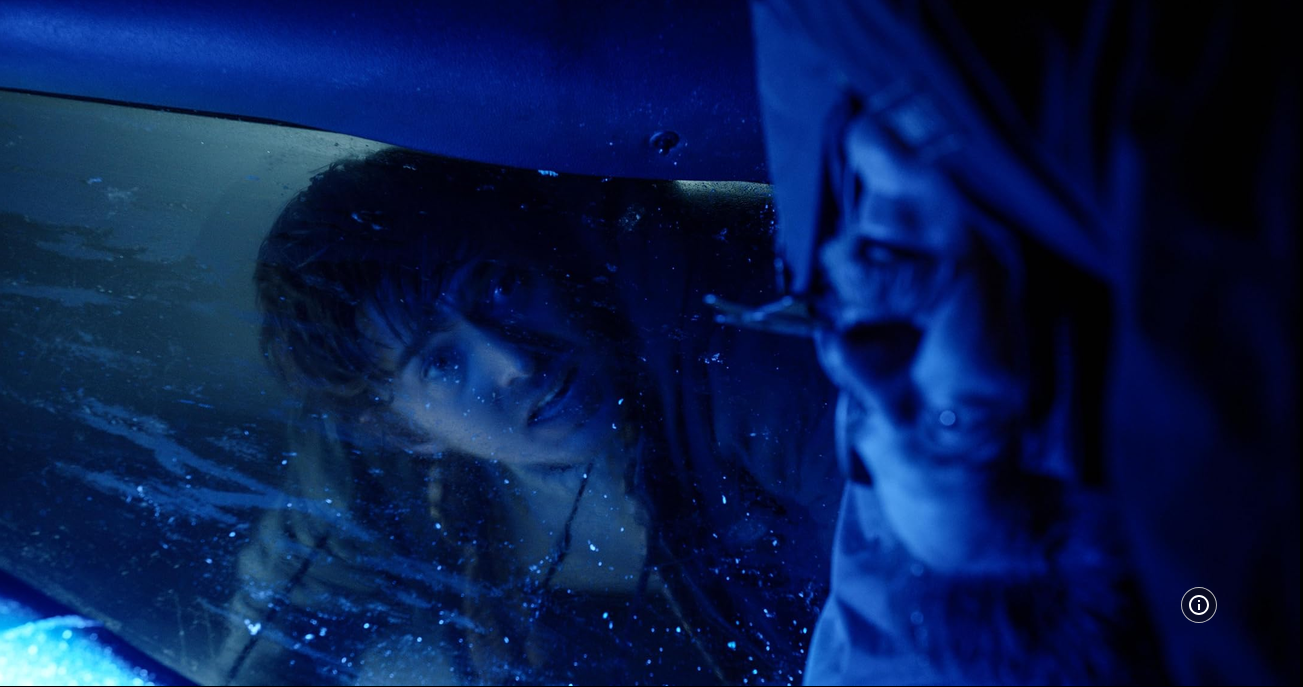
Resident Evil follows Bryan, a medical courier played by Austin Abrams, as he is sent on one last high-priority job. He must deliver a package to Raccoon City, a city in the snowy mountains, in the middle of the night. Since this is a movie in 2026 and the protagonist is in the gig economy, he accepts this highly dangerous job for the extra cash; lying about being capable of braving the elements. Complicating matters further are signs of a fraying relationship with his pregnant girlfriend, who wants Bryan to make a decision about whether or not he wants to be part of a family or not.
It is here, in this delicate emotional situation, on a snowy road so far away from civilization, with a protagonist completely over his head, that things take a turn for the worst. Bryan is confronted by people that have been overtaken with a mysterious affliction, turning them into shambling monsters. These encounters propel Bryan through the most harrowing night of his life. He is thrown from one dire situation to another, forced to scavenge for weapons, ammunition, and aid, all in a desperate scramble to reach Raccoon City's hospital to deliver his package and to uncover the secret behind the outbreak.
Within the first twenty minutes, I immediately understood what Zach Cregger was doing with Resident Evil. The film's very structure, an escalating series of setpieces and vignettes, completely map on to the difficulty curve and escalation of a Resident Evil videogame, complete with narrative swerves and contrivances keeping Bryan on The Golden Path. His first encounter with a monster leads him to a crashed police car where he gets a handgun and defends himself. The “combat tutorial” with the monster teaches him to preserve his ammo, he takes out the clip and does an ammo count several times throughout the movie. However, the resulting gunfight destroys his car's engine, leading him to seek refuge at a nearby farmhouse where he scavenges for more ammo, supplies, and potentially a new ride, only to come across more danger.
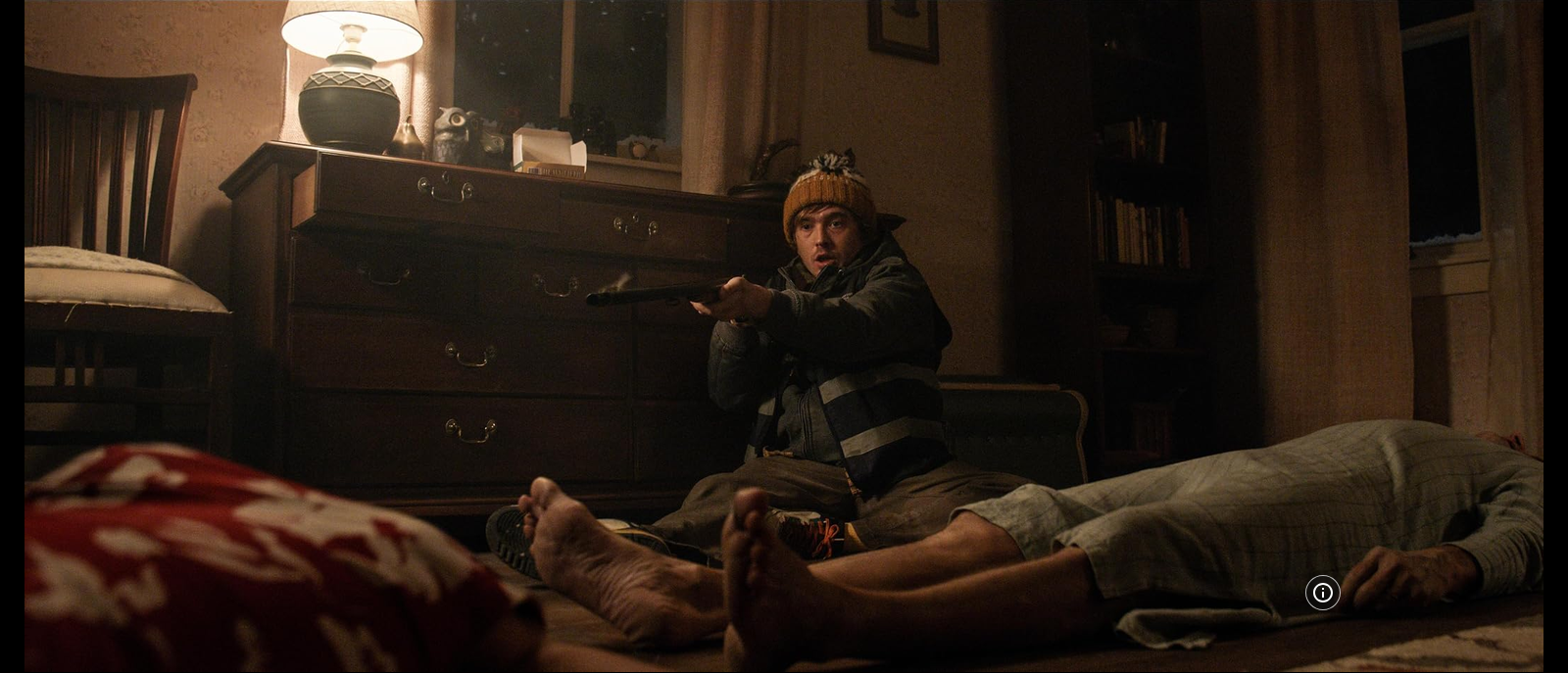
These aren't just scenes connecting a horror movie plot, these are “levels” that Bryan is progressing through. This influence persists throughout the movie, there's even a brief detour through the city sewers at one point. You could very easily take the key beats of this movie and adapt it to a short horror game and lose nothing in translation.
This can especially be felt in the camera work and cinematography. As Bryan explores the farmhouse, the camera stays close to him, moving in tandem with his eye movements, perfectly imitating a player on alert. Bryan slowly opens doors into the dark unknown, harkening back to the dread and uncertainty of moving into a new room in a Resident Evil game. There are even intense first-person perspective shots where Bryan carefully enters an unknown space, primed to defend himself from what may lurk around the corner.
It's also the source of a few recurring comedy beats throughout the movie. Bryan being constantly impeded by arbitrarily locked doors and gates. Him swearing under his breath as he is funneled into increasingly contrived detours of terror. There's even a somewhat self-aware bit of lampshading where he admits his poor marksmanship is because he's only used guns in videogames. These comedy beats are so hilarious it calls to mind the horror-comedy stylings of Sam Raimi's Evil Dead movies. A series that combined gross body horror with grisly slapstick, understanding the difference between a jumpscare and telling a joke is just a matter of tone.
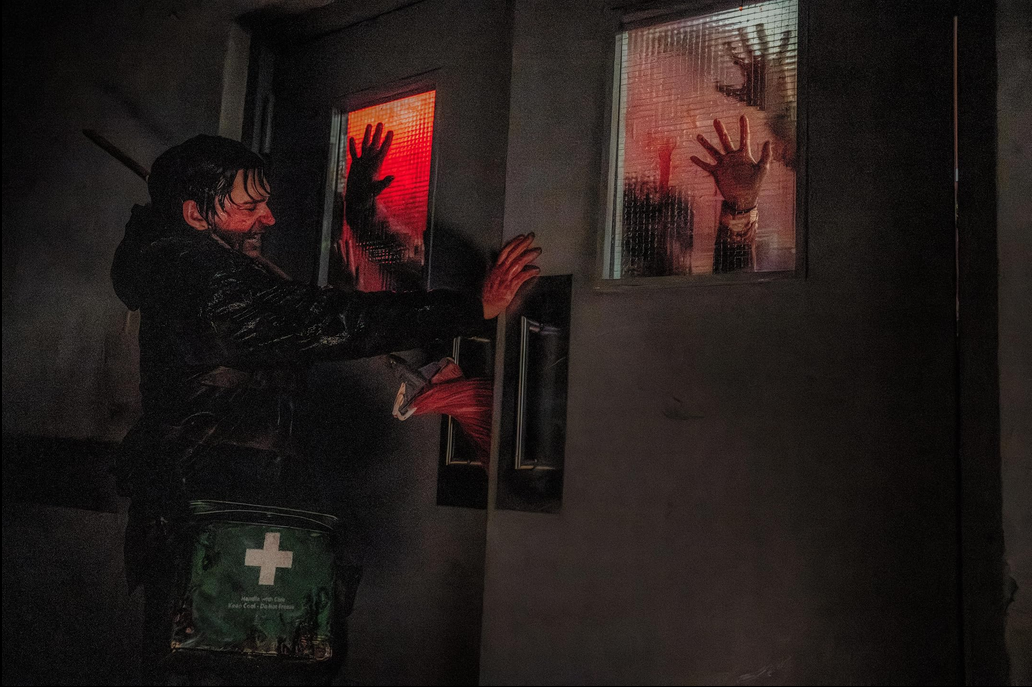
And the monsters in Resident Evil are some potent nightmare fuel. The horrors in this movie aren't adaptations of any franchise staples like the Lickers or the Tyrant, but are closer in style to the titular monster from John Carpenter's The Thing. An unusual alien organism that imitates humanity while contorting it into unsettling, grotesque new forms.
It's a novel approach since it helps add to the movie's central themes of family and legacy. To create something that grows beyond you, taking parts of yourself and others to make something new. This theme is most overt with the Rat King, a persistent stalker made up of the remains of a family, trying to incorporate Bryan into its form throughout the movie.
If there is a critique I do have of Resident Evil, it is, to echo a friend's sentiment, that if you are going to the movie to be frightened, you may be disappointed. The performances are great, Austin Abrams carries the vast majority of the movie on his shoulders admirably as Bryan. The story is a great examination of Millennial malaise and familial anxiety amplified through urban isolation and body horror. The synthesis of videogame progression and cinematic filmmaking is genuinely spectacular. However, the bouncing of tone from intense survival to campy bloodshed to offbeat comedy does lead to a movie that more unsettles or grosses out than outright scares. Aside from one truly creepy section in the second act, I wasn't really scared.
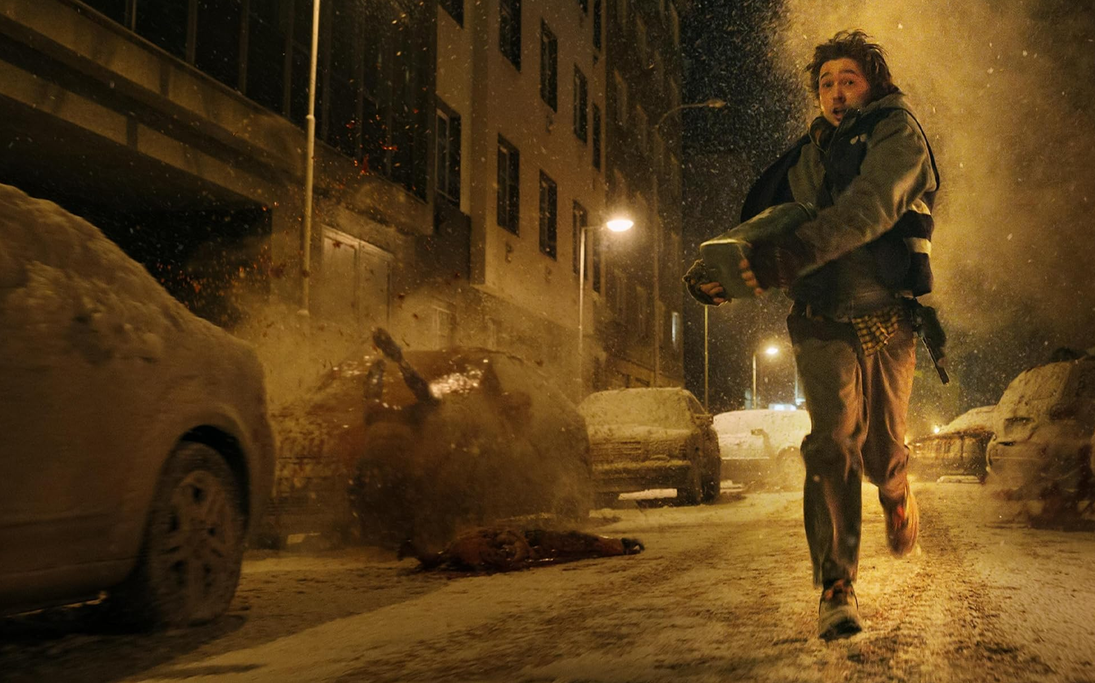
But even with that one critique in mind, I still wholeheartedly recommend seeing Resident Evil. Cregger did something outright antithetical in the current media landscape. In an environment where “content” is king, mass-produced media with a bunch of familiar iconography and recognizable characters bereft of authorial voice or craft, Cregger went one step deeper with this videogame adaptation. He told a personal, curated story that embodied the spirit of the source material, adding to it in a more meaningful manner.
It's a movie that deserves to be seen in a big theater with a packed crowd. You won't regret it.
4/5 Stars
Back of the Box Quote:
“A compelling movie that really brings people together."